

ELLMAN ESTATE VINEYARD
When we first visited Napa, we couldn’t help but notice an abundance of similarities to our native wine region of Stellenbosch in South Africa. An overwhelming feeling of familiarity provided us with a sense of place and belonging. The two mountain ranges that define the Napa Valley, draw stark comparisons to one another. Although the lushness of the western Mayacamas range, with its vibrant green hillsides, is stunning, it is the picturesque backdrop and topography of the eastern Vaca mountain range that reminds us of our South African roots. For that reason, our family felt confident that this would be the foundation for ELLMAN.
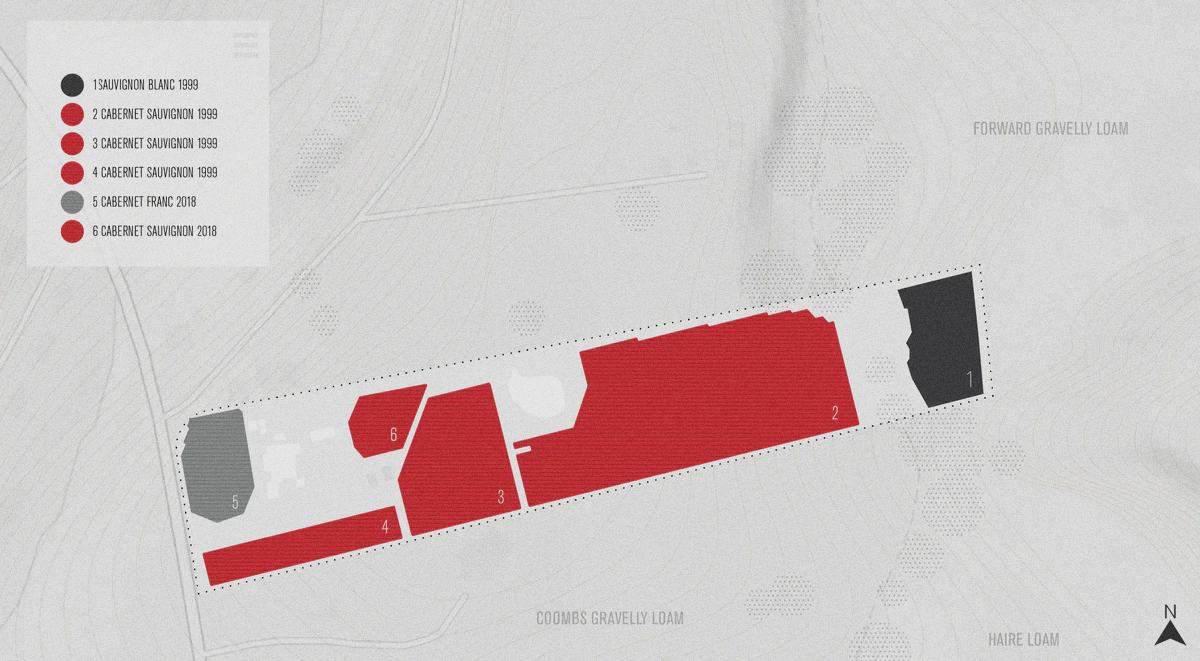
Our vineyard is a 20-acre, west-facing parcel along the historic Silverado Trail. We are nestled at the base of Soda Canyon in the shadows of Atlas Peak. Because the vineyard is planted in an ancient riverbed on the bench of the Vaca Mountains, the vines benefit from traits of both the valley floor and hillside characteristics. The soil is strewn with cobbles and rocks, stressing the vines and offering optimal drainage. Planted in 1999 to a sought-after suitcase clone of Cabernet Sauvignon, the combination of gentle slope, rocky soils, and old-world clonal material cooperate to produce wines of richness, complexity, and elegance.
VINEYARD MANAGER
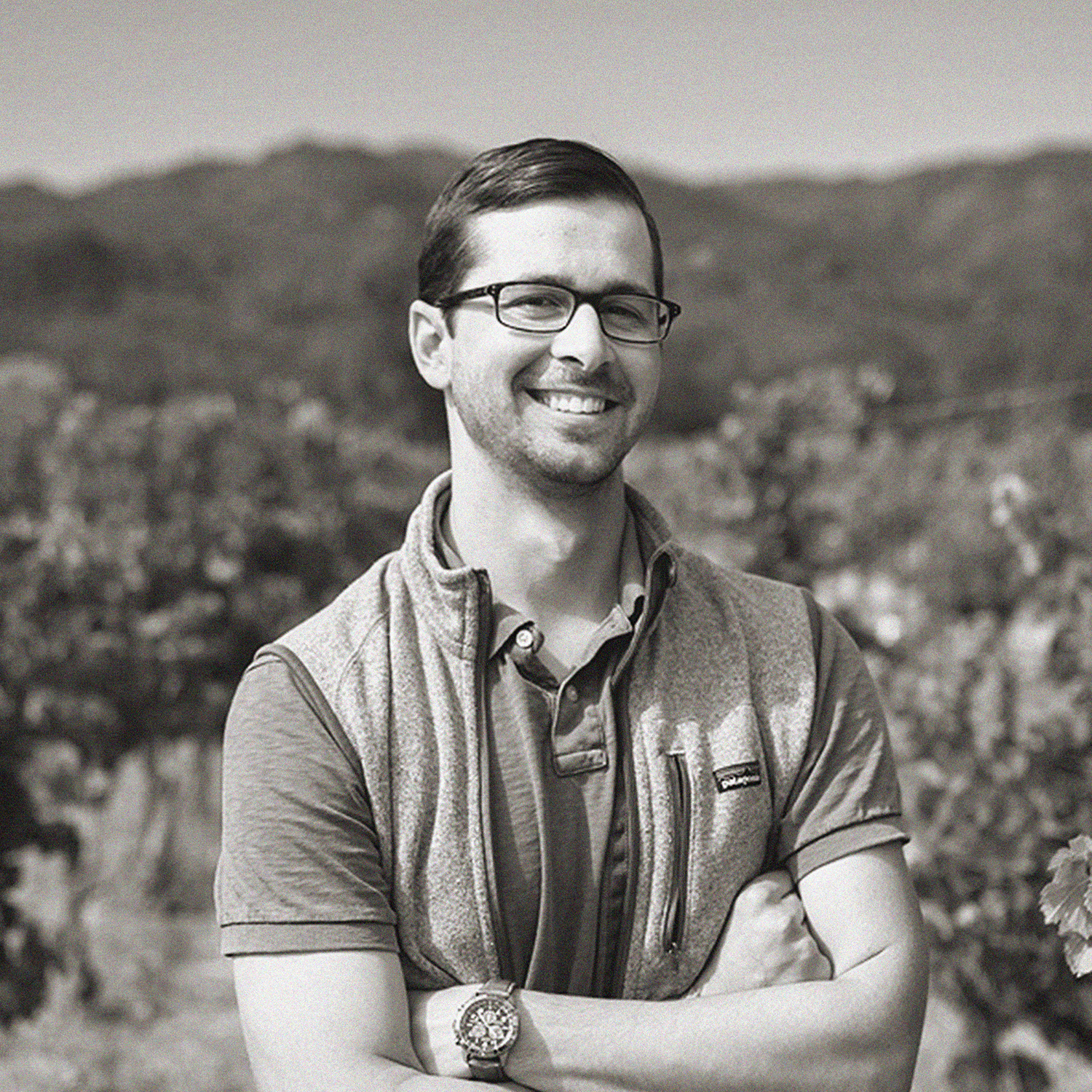
Domenick Bianco
In 2024, we welcomed Domenick Bianco to lead our vineyard program. A Napa native with a grounded approach to farming, Domenick brings years of experience managing high-elevation and estate vineyards throughout the valley. Before founding his own vineyard management company, he held key roles at both Seven Apart and Acumen, where he refined his focus on precision farming and site-driven viticulture. Domenick blends data-informed practices with instinct built from time in the field. His work is vine by vine, block by block, using canopy adjustments, irrigation control, and soil health monitoring to bring balance and clarity to the fruit. At ELLMAN, he works closely with the winemaking team to align farming decisions with what’s possible in the cellar, creating a seamless relationship between what’s grown and what’s made.