
ELLMAN ESTATE VINEYARD
2026 Vintage & Vineyard Updates
Each season begins long before a single cluster takes shape. It starts in the decisions made quietly across the vineyard, where timing, pressure, and instinct converge to shape what the vintage will become. This year has asked more of that process than most, accelerating the pace and sharpening every choice. What follows is a closer look at how the 2026 season is unfolding at ELLMAN, and the work now underway that will define not just this vintage, but those to come.
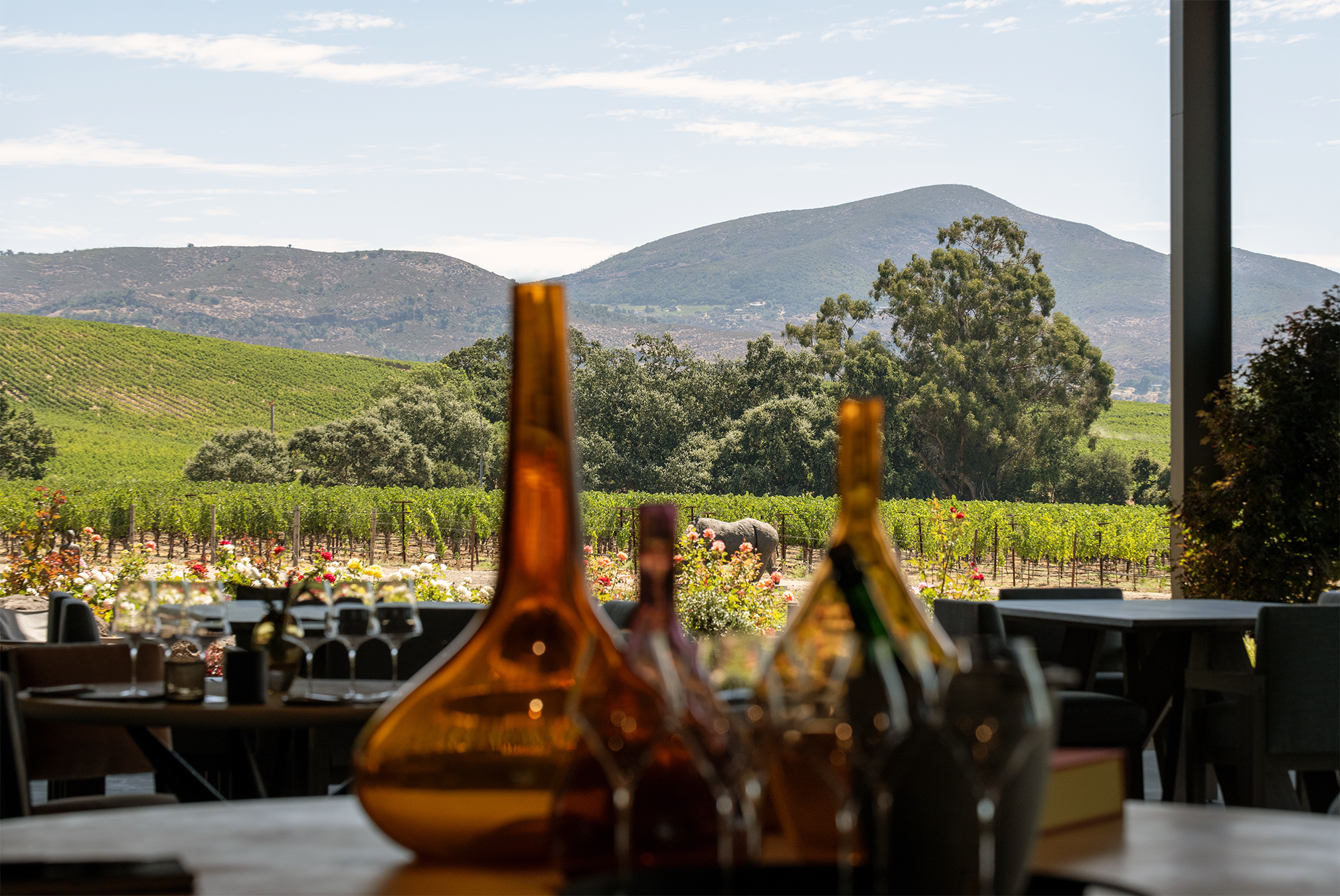
Spring has arrived with unusual urgency. Winter rainfall came in waves rather than in a steady rhythm, leaving Napa Valley at roughly 20% below normal rainfall yet still pushing soil moisture to about 80% on average. Then March accelerated everything. A significant heat event, with temperatures running 10 to 20 degrees above normal in parts of California, pushed the season three to four weeks ahead of schedule, compressing the pace of spring work and putting nearly every major vineyard operation in motion at once.
At ELLMAN, one of the most consequential decisions of this season is now underway: the grafting of approximately 2.5 acres to Palmer, a clone of Cabernet Sauvignon with deep roots in Napa Valley’s clonal history. Clone choice matters. In Cabernet Sauvignon, it can influence vine vigor, yield, flavor expression, and the way a wine ages in the bottle. At ELLMAN, the existing estate has long been associated with a sought-after suitcase clone of Cabernet Sauvignon, and the Palmer clone has already been central enough to the estate’s identity to anchor a previous ELLMAN tribute bottling.
The phrase “suitcase clone” belongs to an important chapter in Napa Valley history. Before clean-plant programs and formal licensing caught up with growers’ ambitions, prized Bordeaux material was sometimes brought into North America outside the usual channels. John Caldwell’s now-famous import story helped define that era, and Napa Valley’s own winery profile for ELLMAN describes the estate’s older Cabernet plantings as a “sought-after suitcase clone.” That history still matters, not because of romance alone, but because those selections helped expand the vocabulary of Napa Cabernet.
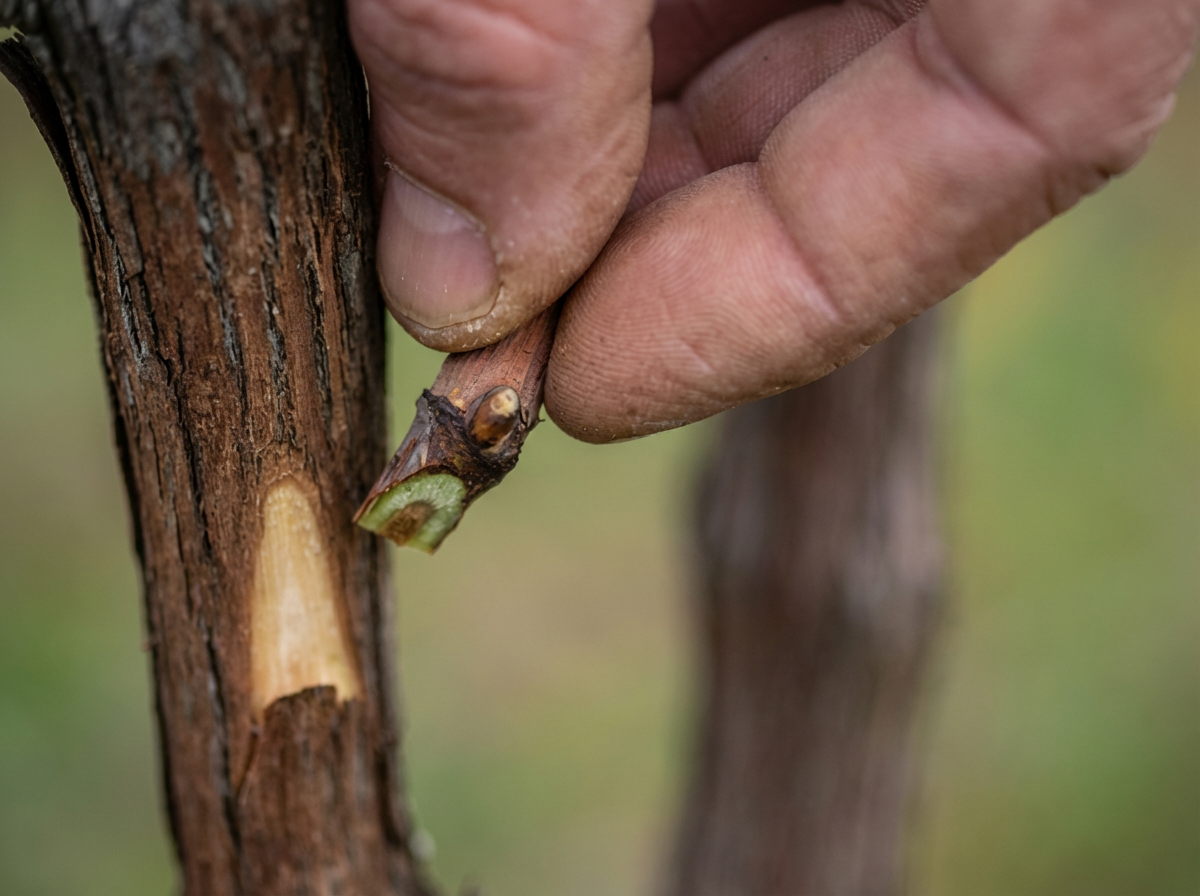
Why graft? Because when a site is healthy and the underlying root system and vineyard design still belong, top-working allows a vineyard to evolve without starting from zero. As viticulturist Stan Grant notes, replacing an entire vineyard is more expensive because of the added material, labor, and the time required to reach full production, whereas grafting preserves healthy, site-appropriate roots and existing infrastructure. In other words, grafting is not a shortcut. It is a strategic decision to hold onto what is already proven in the ground while refining what the site can express above it.
In practical terms, field grafting begins with cutting back the existing vine and making a fresh cut close to the moment of grafting. The cut should be made within one-half hour of grafting for best results. In California vineyards, common top-working methods include side whip grafts and T-bud grafts, both of which join dormant scion wood from the new selection to the existing vine. The graft union is then wrapped, sealed, and protected so the vine can heal, push new shoots, and be retrained into its new architecture. That retraining is where grafting becomes less like repair and more like re-orientation. New shoots emerge within weeks, then are guided upward and outward to establish fresh cordons and future spur positions. The work is exacting and highly manual. It asks for timing, clean execution, and patience. It also asks for discipline after the graft: keeping the root zone moist but not saturated, protecting the union, and ensuring the vine’s energy is directed toward healing, growth, and balance rather than excess vigor.
This spring’s farming decisions are being made with that same precision. The fertilizer program is being timed to support the canopy at a critical stage of growth. Irrigation began early in replants and weaker zones because the heat demanded it. Mildew pressure has already arrived sooner than normal, prompting an early and tightly managed spray program. And as the season moves toward summer, the team will manage vine stress through a combination of neutron probes, aerial imagery, pre-dawn leaf water potentials, FloraPulse sensors, and regular visual assessment. The objective is clear: to build enough canopy to protect the fruit, while avoiding the kind of over-irrigation that would push the vines beyond balance.
As for when these newly grafted vines will be ready to contribute meaningfully to ELLMAN wines, viticulture offers both an answer and a reminder. Field-grafted vines can return to near-normal fruit yields in the second year after grafting, and in some cases laterals on new cordons can even carry a small economic crop earlier than that. But yield is not the same as readiness. At ELLMAN, the earliest serious evaluation will come only once the new framework is established and the fruit begins to show the precision, integrity, and composure the estate asks of every block. The calendar matters, but not as much as the glass.
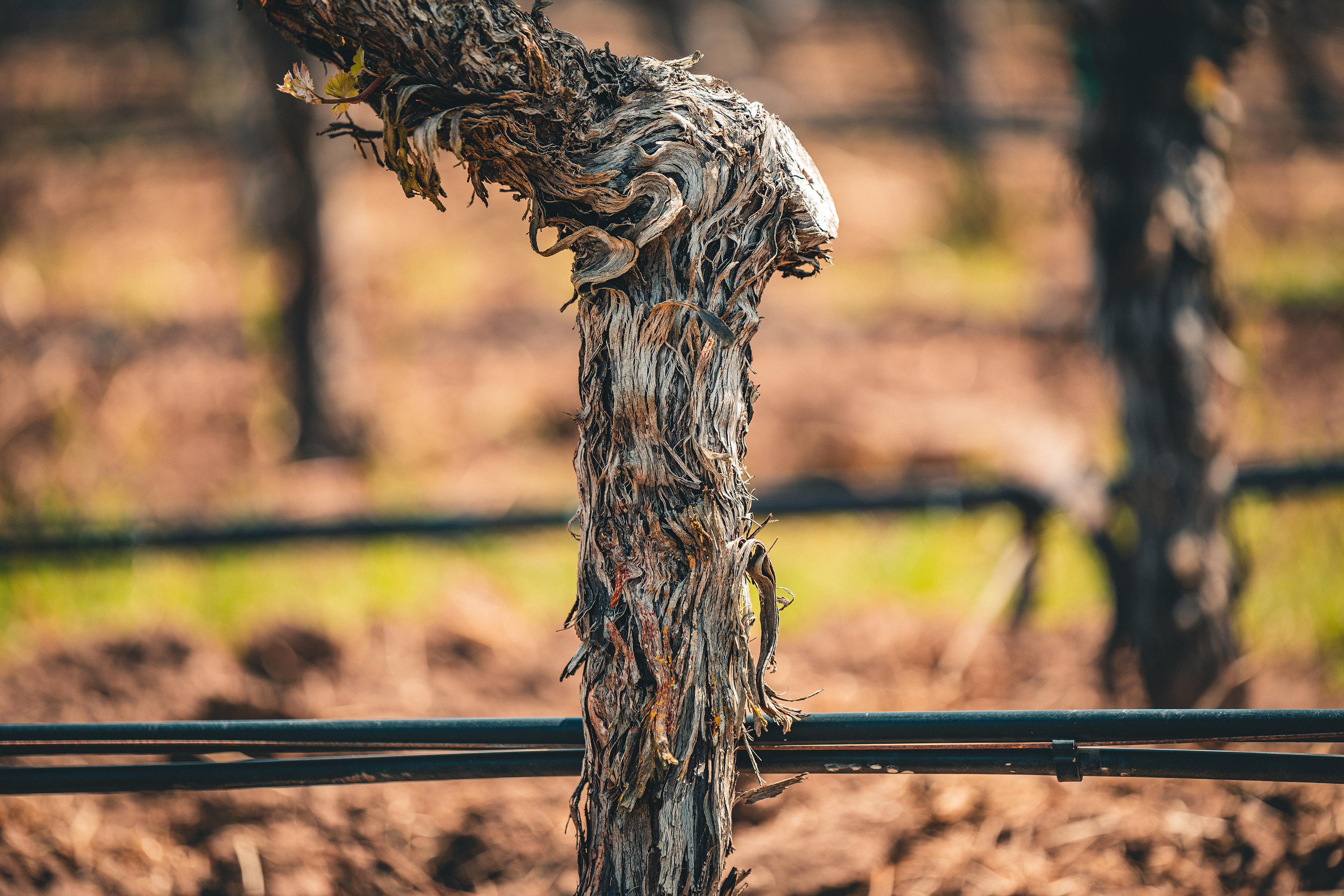
Beyond the grafting work, the broader season remains dynamic. Cluster counts are currently pointing toward an average crop load, but bloom will tell more. The vineyard team is already seeing early activity in red varieties across the valley, along with mildew and leafhopper pressure that reflect a warmer winter and reduced chill hours. Domenick Bianco notes that the season is currently tracking most closely with 2015 in terms of pace, one of the earliest Napa vintages in recent history, and that every sign so far points toward a hot summer. That makes the decisions being taken now especially important. This is the season when the future character of the wines is being protected, one pass, one adjustment, one acre at a time.
At ELLMAN, farming has always been both technical and emotional. It is science in service of something deeply human: the desire to translate a place faithfully, and leave it more articulate than we found it. Grafting 2.5 acres to Palmer is part of that long view. It is an investment in continuity, in refinement, and in the belief that great vineyards are not static. They are edited over time, carefully and deliberately, until what they offer begins to feel inevitable.